


Therapy for Children and Parents
Helping children and parents grow together.
Nicolette Shutty, AMFT

My Approach
Raising a child comes with moments of joy, and moments that can feel confusing, exhausting, and overwhelming. There is no manual for navigating the ups and downs of raising a child, and no child is born knowing how to manage big emotions, handle change, or express themselves clearly when they’re feeling overwhelmed. Struggling with tantrums, emotional outbursts, or transitions are no one’s idea of fun. Certainly not your child's and definitely not yours. But behavior is communication and your child may be communicating that they need a little extra support right now. Every child struggles at times, and getting help early can make a meaningful difference for the whole family.
I believe that parents and caregivers are doing their very best to meet their child’s needs in a world that asks so much of them. I also believe that children, like their parents, are doing their best to make sense of a world that is fast-moving, unpredictable, and sometimes overwhelming. Families often seek therapy out of care and concern, wanting to be thoughtful and intentional about how they support their child. With this understanding, I approach my work with warmth, curiosity, and respect for each family’s values, while also honoring the developmental needs and individual personalities of the children I work with. I see therapy as a collaborative process and make it a priority to develop a plan that fits each family’s unique circumstances and goals, ensuring that both caregivers and children have the tools, support, and time needed to foster meaningful and lasting growth.
In my work with children, I take a play-based approach, as play is a child’s natural language for expression. Through child-centered play therapy, I provide a safe and supportive space for children to explore their inner world, express emotions, and make sense of their experiences. From an interpersonal neurobiology perspective, I help children integrate their emotional, right-brain experiences with developing left-brain understanding. When big feelings arise, children often have difficulty accessing logic or language. Through play and attuned therapeutic support, we work to bring these parts together, supporting nervous system regulation, emotional understanding, and more adaptive ways of coping. Depending on your child’s needs I may also bring in somatic therapy or mindfulness techniques to assist in regulation as well as parent-child therapies like PCIT or other dyadic modalities that allows us to work on the parent-child relationship in real time.
My goal is to help caregivers better understand the “why” behind their child’s behavior, while supporting both children and parents in developing the tools needed to feel confident, connected, and empowered. Ultimately, my hope is that through our work together, you and your child are able to strengthen your relationship, better understand one another, and truly enjoy your time together as you cultivate a safe, connected, and lasting relationship.
Qualifications & Training

Education & Training
I graduated with an M.A. in Clinical Psychology with a specialization in child studies from Antioch University Los Angeles. This specialization provided advanced training in working with children and caregivers, including coursework focused on working with adoptive populations, trauma-informed care models, and child-centered advocacy. During my graduate studies, I completed my traineeship as an in-school counselor at a low-income school, where I worked with a wide range of presenting concerns and collaborated closely with caregivers and school faculty and staff to support comprehensive, individualized care for the children I served.
In addition, I have experience as a Board Certified Autism Technician, implementing behavioral therapy protocols with children on the autism spectrum. Prior to becoming an associate marriage and family therapist, I spent 17 years working in the entertainment industry as an actress, producer, and writer. This background continues to inform my clinical work by fostering creativity, flexibility, strong organizational skills, and a grounded sense of playfulness in my therapeutic approach.
Evidence-Based Practices
Parent-Child Interaction Therapy (PCIT)
Certificate in Child-Centered Play Therapy (CCPT) with a Neurorelational Emphasis
Oaklander Play Therapy
Trauma-Focused Cognitive Behavioral Therapy (TF-CBT)
Specialty Areas of Practice

Big Emotions and Regulation Difficulties
Tantrums, aggression, moodiness, and irritability are often a child’s way of communicating that they feel overwhelmed and outside of their window of tolerance and need support building the coping skills and frustration tolerance required for daily life. Behavior is communication, and through our work together, we help both you and your child understand the “why” behind these big emotional reactions. In session, we focus on developing regulations skills, widening the window of tolerance, and handling setbacks while developing developmentally appropriate strategies to manage big feelings as they arise. This work isn’t about suppressing emotions or stopping children from feeling upset or frustrated, it’s about learning how to express them in ways that are safer, more clear, and far more effective than screaming, shutting down, or throwing things.

Parent Coaching
When parenting feels confusing, overwhelming, or like nothing you try is quite working, you don’t have to figure it out on your own. Parenting coaching offers a supportive, non-judgmental space to make sense of what’s happening and feel more confident in how you’re supporting your child. Parent coaching can be utilized to: gain a better understanding of your child’s progress in therapy and learn ways to continue that growth at home, share what you’re noticing at home and seek guidance on what you’d like the most support on, and practice the skills you’d like to utilize with your child.
Parenting can feel challenging, especially when our own past experiences can shape how we show up in the present. Together we focus on practical, compassionate strategies such as consistent and appropriate limits setting, bringing more play and connection into your relationship, and developing co-regulation skills, so both you and your child can respond from a more grounded place. This work strengthens the parent-child relationship, supports greater peace and harmony at home, and helps reinforce the skills your child is learning in therapy so they can be met with consistency across their environments.
Attachment Ruptures
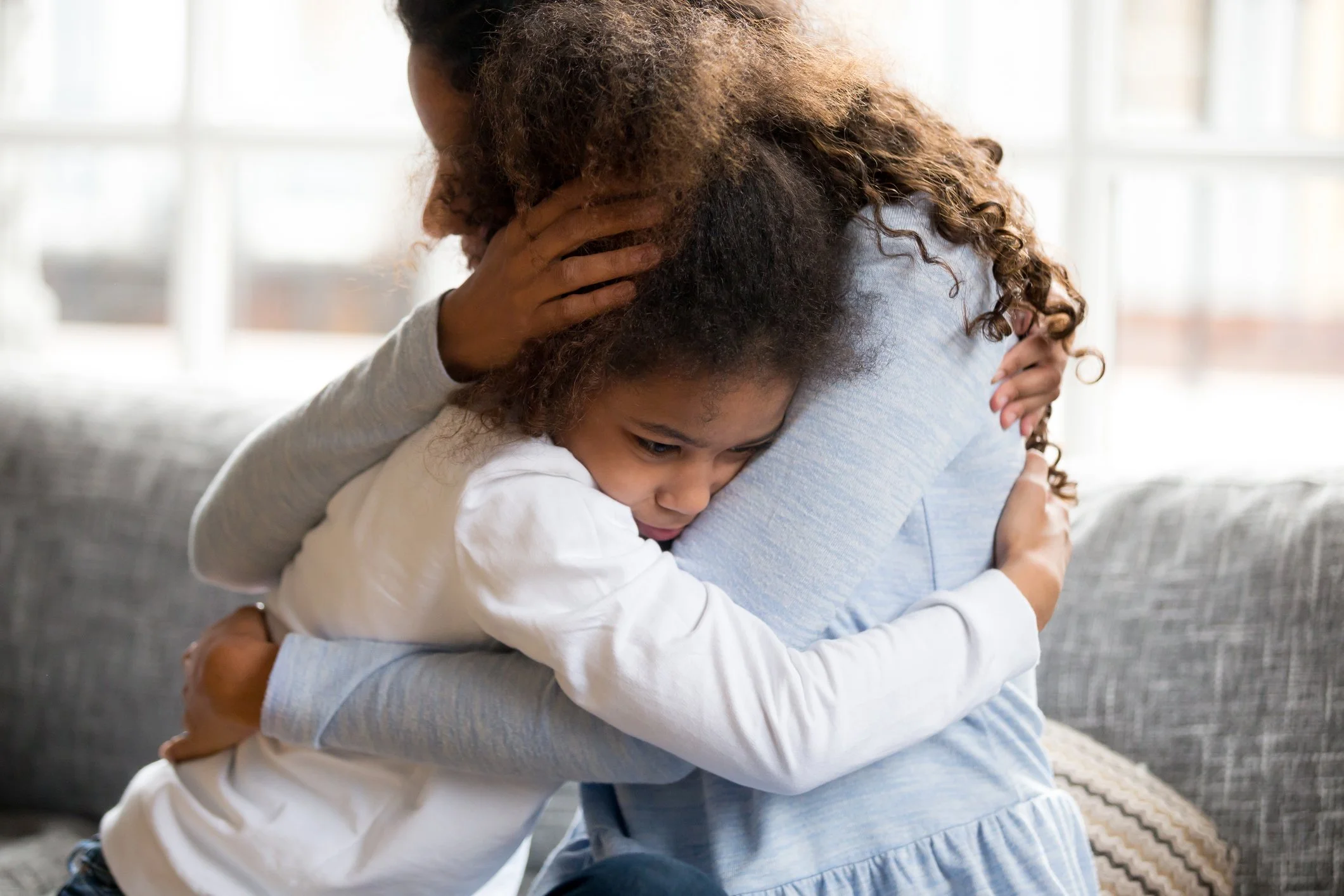
Attachment is built through thousands of everyday moments, and it’s important to know that misattunement happens in every family. Sometimes these ruptures occur during periods of significant stress, illness, or challenges such as postpartum depression. Times when parents are doing the best they can while carrying a great deal themselves. These experiences are not a reflection of a parent’s love or intention, but they can influence how a child learns to seek comfort, connection, and safety. Children may develop protective patterns in response, such as becoming clingy, guarded, emotionally reactive, or overly independent. Through attachment-focused and dyadic work, we gently explore these patterns and focus on repair and reconnection. Together, we work towards building a more secure and stable relationship where you and your child can feel understood, supported, and truly enjoy your time together.

Hyperactivity, Inattention, and Impulsivity
Your child may seem to always have difficulty sitting still, have their head in the clouds, or seem to disregard every rule of safety without thinking twice (or once). Whether these symptoms derive from ADHD, developmental factors, or just the unique make-up of your child, they can be distressing for both the child and the caregiver. Difficulties with hyperactivity, inattention, and impulsivity may also contribute to challenges with self-esteem, a sense of mastery, and challenges to the parent-child dynamic. Depending on the primary concern we may work together in PCIT to increase positive behavior, utilize play therapy to improve focus and self esteem, as well as bring in developmentally appropriate mindfulness and somatic techniques to increase regulation and find socially acceptable outlets for challenging symptoms.
Grief
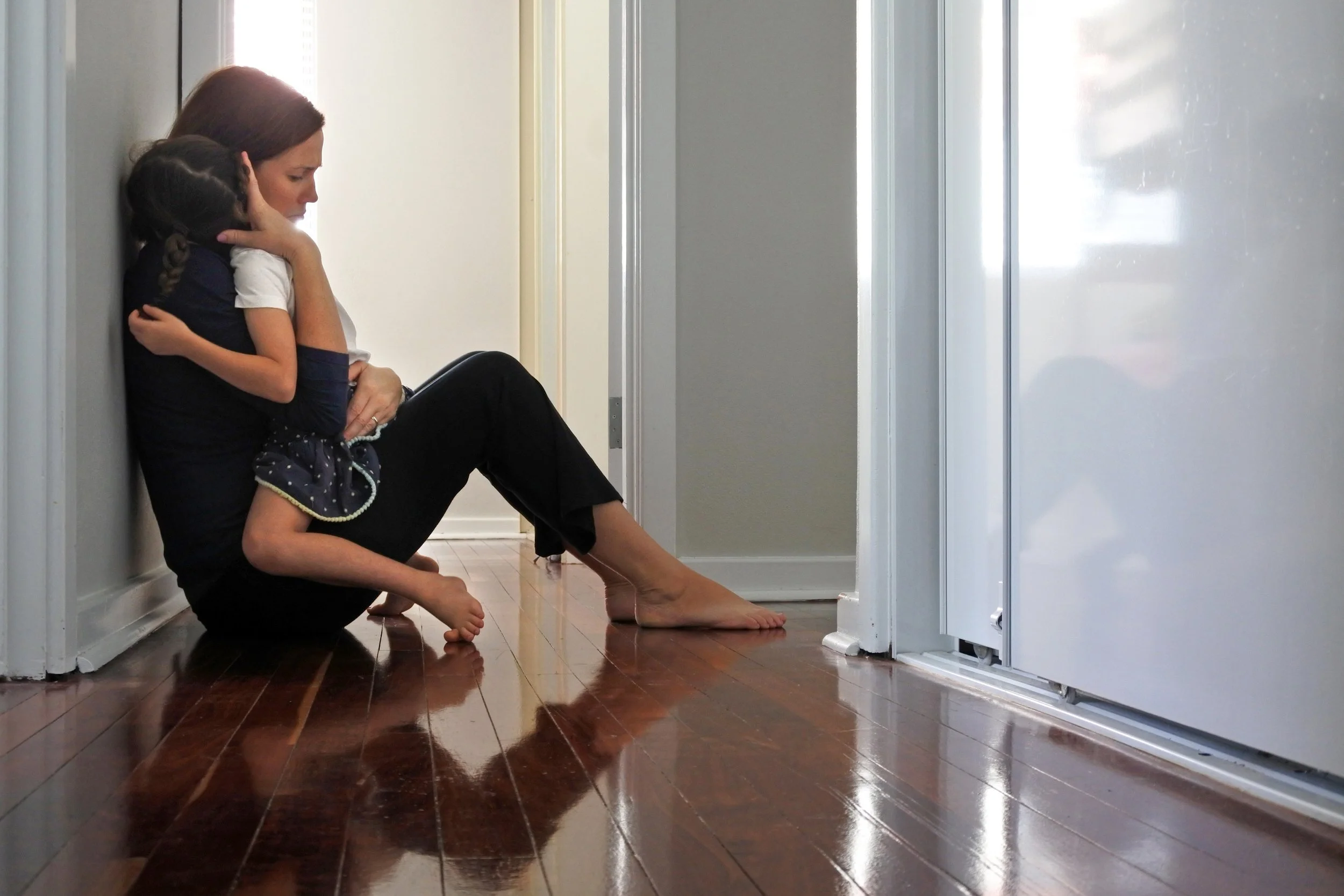
Grief is an incredibly complex emotion and if your child has suffered a loss, whether it’s the loss of a loved one, the loss of routine through divorce or a move, or the loss of normalcy or control that can come with a life-changing medical diagnosis, that grief can manifest in a number of ways. They may find it difficult to concentrate or participate in activities they once enjoyed. They may have trouble acknowledging the loss and ask when their loved one will come back or when things will get back to normal. They may experience difficulty sleeping or suddenly develop chronic stomachaches or headaches or begin to fear for their own safety or the safety of loved ones. In our work together we’ll create an environment where children can process their grief through age-appropriate modalities like play therapy or expressive art therapy, and move towards acceptance and peace.

Childhood Trauma
Childhood trauma can take many forms. It may have been be a single, overwhelming experience such as an incident of abuse or a car accident, or it may have been ongoing like bullying, medical related trauma or neglect. These experiences can shape how a child understands themselves, others, and the world around them. Many children do their best to make sense of what happened on their own. In response you may notice changes such as difficulty sleeping, increased clinginess, irritability, avoidance of reminder, emotional or behavioral outbursts, or withdrawal and isolation.
When trauma occurs early in life, children may not have a clear memory of the event, yet the experience can still be held in the body and nervous system. Trauma-informed approaches such as play therapy and trauma-informed cognitive behavioral therapy (TF-CBT) allow children to process their experiences in ways that feel safe, supportive, and developmentally appropriate. Through our work together, we help your child make sense of what they’ve been through, strengthen their sense of safety in the present, and build coping tools to navigate moments when fear or distress arise.

Childhood Anxiety
Many children can feel worried or anxious throughout their development. A night away from caregivers, their first day of school, the monster that might be under their bed or in the closet, these can all bring out feelings of fear for your little one. But when these worries begin to interfere with everyday life, causing issues with sleep, an inability to separate from caregivers without extreme distress (separation anxiety), or resistance attending school or activities where there may be other people (social anxiety) they may need a little extra help coping with these fears. Many children do not yet have the language to express what they’re afraid of and bottoms up approaches like somatic work and play therapy can help them gain a better understanding of their feelings, make sense of their experience, externalize their fear, and develop the coping skills they need to feel safe and secure.

Adjustment and Life Transition Challenges
Divorce, moving, starting school, these are just some of the life changes that children face that can bring up some big feelings. Children thrive on routine and stability so when there’s a disruption to the norm, this can feel especially overwhelming. Behavioral changes like suddenly being combative or clingy when they weren’t before as well as feelings of anxiety, anger, and sadness may arise as they attempt to navigate these changes. In our work together we’ll develop healthy ways for your child to process their emotions, establish new routines that provide a sense of security and stability, and increase their confidence in managing new situations as they come their way.